
Quantum Computers Advance Error Learning Capabilities
Summary
Researchers are working on developing quantum computers that can learn from their own errors, a crucial step for practical quantum machine intelligence.
Why it matters
Overcoming error susceptibility is a major hurdle for quantum computing, and progress in this area could unlock transformative applications across various industries by making quantum systems more reliable.
How to implement this in your domain
- 1Monitor quantum computing research for breakthroughs in error correction.
- 2Evaluate potential long-term applications of error-resilient quantum AI in your sector.
- 3Investigate partnerships with quantum research institutions for future innovation.
Who benefits
Key takeaways
- Error learning is vital for practical quantum computers.
- Progress in this area could accelerate quantum AI development.
- Reliable quantum computing has broad industrial implications.
Originally posted by The latest research from Google on X · view source
Want to go deeper?
Turn these trends into skills with Learnijoy's hands-on AI & tech courses.
Explore coursesMore in AI Research
AI Model Performance Jaggedness Offers Optimization Opportunities
The author observes that large AI models exhibit inconsistent, 'jagged' performance, suggesting significant potential for optimization despite the inherent technical challenges of improving AI.
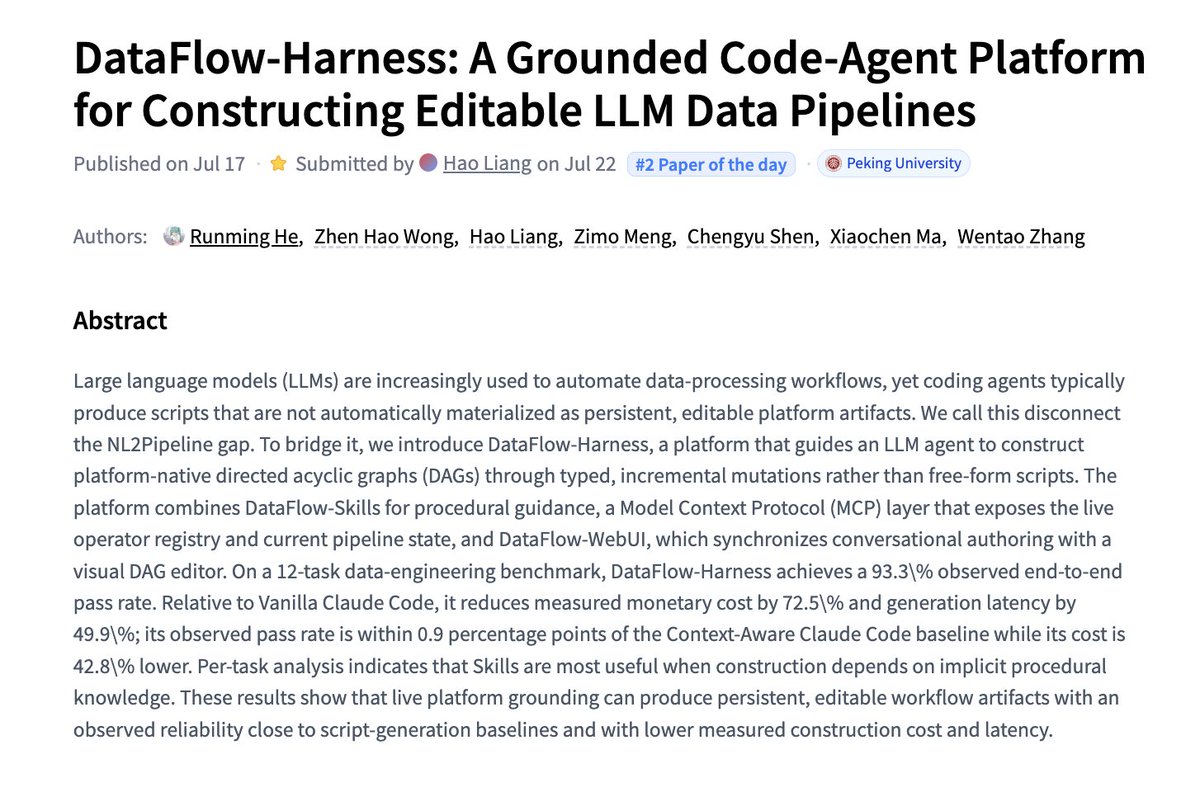
DataFlow-Harness Platform for Editable LLM Data Pipelines Released
A new platform called DataFlow-Harness has been introduced, designed as a grounded code-agent system for building and editing data pipelines specifically for Large Language Models.
US Accuses China's Moonshot AI of IP Theft
U.S. Tech & Science Advisor Michael Kratsios has accused China's Moonshot AI of using "industrial scale" distillation from Anthropic's proprietary Fable model to develop its Kimi K3 model. This accusation follows earlier reports from Anthropic flagging Moonshot and other Chinese firms for similar practices, raising concerns about intellectual property theft and fair AI development.